Go To Photo Gallery


Return to List of Invasive Plant Species


Invasive Aquatic and Wetland Plants in Manitoba

The appearance of alien invasive plants in our lakes, rivers, ponds and wetland habitats is occurring at an accelerating rate. With tremendous biological diversity and a large inventory of intact aquatic ecosystems, Manitoba is highly vulnerable to these new biological invasions. Over the last decade, there has been a growing awareness that introduced invasive species are having significant and increasing impacts on Manitoba's economy, ecosystems, native species and human health.

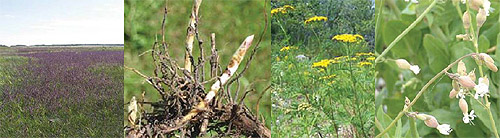
Increased global trade and travel have created many new pathways for the international and incidental spread of invasive aquatic species. The growing trade in aquatic ornamental plants for water gardening and aquariums is also cause for concern. Many of the currently known invasive exotic plant species in North America have been imported and planted as ornamentals. The invasive aquatic plants, purple loosestrife and saltcedar, serve as examples of this.

Dispersal

Humans are most often directly responsible for introducing a species to a new region, whether intentionally or unintentionally.

Hitchhikers: Species can become unintentionally transported globally, by catching a ride in places like ship ballast water, or locally, by attaching to boats or other equipment used by anglers and hunters.

Intentionally Imported: Intentionally imported species are not usually intended for widespread distribution into the environment. However, plants, brought in for gardeners as ornamentals, or exotic pets can become invasive pests in regions where they were never intended to be released.

Illegal Trade: Illegal smuggling/trading of fruits and vegetables across borders can introduce not only potentially harmful new plant species but also any insects and parasites that may live in them.

Natural Dispersal: Through time, species are able to expand ranges naturally, establishing in areas they previously did not exist in.

Stages of Invasion

  1. Entry: Species is introduced to a new region.
  2. Establishment: Species avoids immediate local extinction, begins to multiply and create viable breeding population.
  3. Spread: Population grows to sufficient level to afford expansion into surrounding suitable habitats.
  4. Impact: Population levels continue to increase, breeding population established. Competition with native species becomes serious concern.

Not all species that are introduced become invasive pests. Some species are unable to survive in their new habitats, and quickly die off. Some species can only sustain themselves in new habitat through constant introductions. Species that do thrive and become a threat are usually habitat generalists, and are able to survive under a wide range of tolerances.

Potential Future Effects

A continued and unchecked advance of invasive species in and around Manitoba’s waterways could result in the loss of unique ecosystems and endemic species. This web site is designed to inform Manitobans of this encroaching threat and to assist them in safeguarding our resources. Be aware of which species are invasive or threatening. Know how to keep your favourite outdoor hobby or activity safe for the environment and report invasive species that you see during your travels in the province.